


Introduction
In the competitive digital marketing landscape of 2025, integrating SEO with email marketing is a game-changing strategy that drives sustainable growth. SEO improves your website’s visibility in search engines, attracting organic traffic, while email marketing builds direct, personalized relationships with your audience. When combined strategically, they create a powerful feedback loop that enhances brand authority, user engagement, and conversion rates. This comprehensive guide reveals advanced techniques for leveraging SEO within your email marketing campaigns, optimizing landing pages, personalizing content dynamically, and harnessing AI tools—all to maximize your marketing ROI.
Aligning SEO with Email Marketing: Building a Foundation
Understanding and aligning SEO and email marketing efforts begins with strong keyword research. Identify relevant keywords your audience searches for and incorporate them naturally into email subject lines, body content, and call-to-actions (CTAs). This consistency makes your brand message cohesive and signals relevance to search engines when users engage. Email campaigns should promote SEO-optimized content such as blog posts and landing pages, increasing website traffic and generating valuable backlinks. Segmenting email lists based on SEO insights, like keywords users found you through, allows tailored messaging that meets different user intents and increases engagement.
Optimizing Email Landing Pages for SEO
A major factor in effective integration is ensuring your email click-throughs land on SEO-optimized pages. These pages should feature relevant keywords in page titles, meta descriptions, headers, and content. Employ schema markup to enhance search result appearance with rich snippets, boosting click-through rates from organic search. Mobile responsiveness and fast loading speeds improve user experience and reduce bounce rates, positively impacting SEO rankings. Consistent messaging between emails and landing pages maintains user trust and reduces friction in conversions.
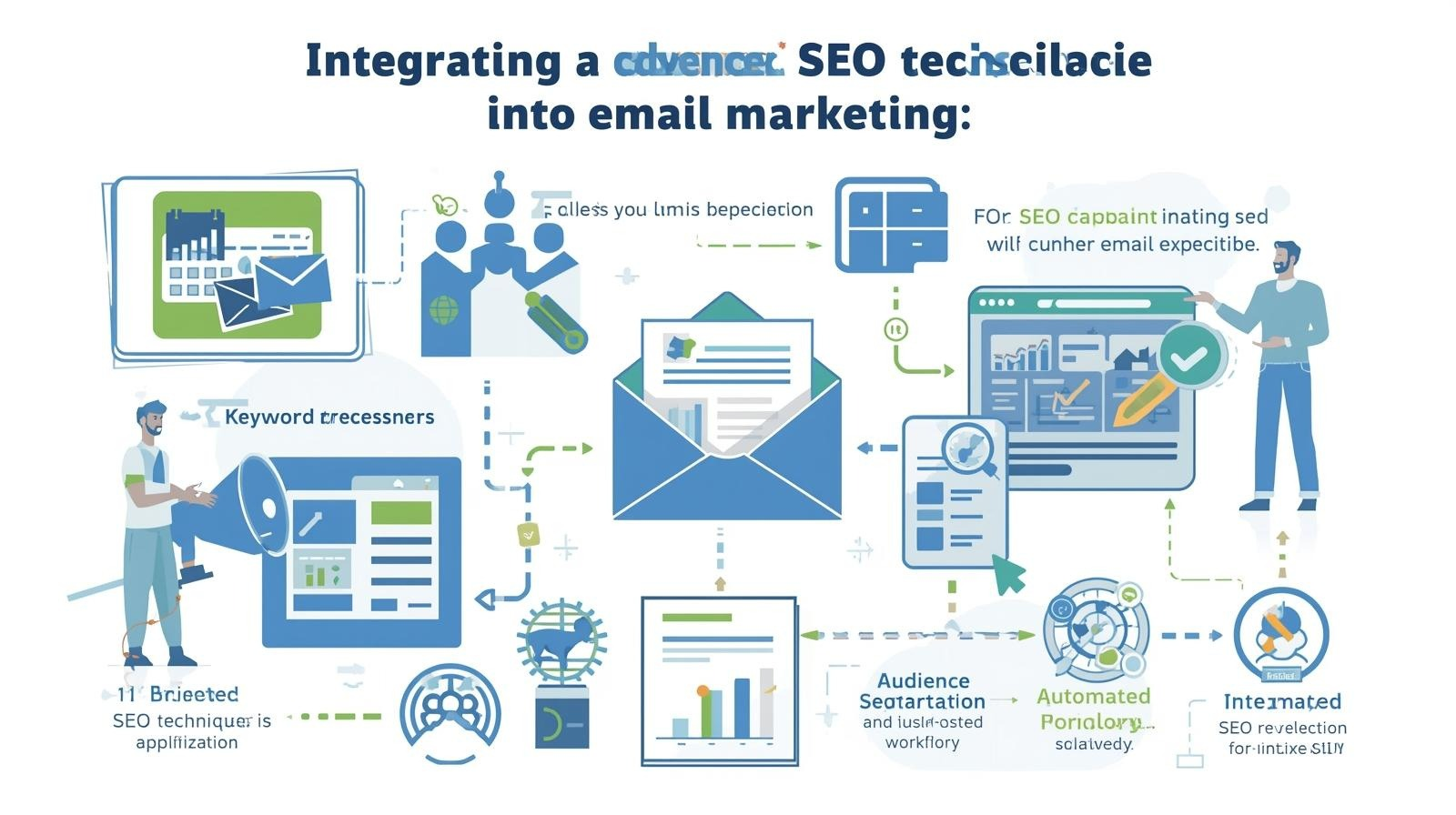
Advanced SEO Techniques for Email Marketing Integration
- Dynamic Content Personalization Using Search Behavior Data
Incorporate dynamic email content based on a user’s on-site search activity or browsing history. If users frequently search for certain products or topics, highlight related content or offers in emails. This data-driven tactic enhances relevance and user engagement, increasing clicks to SEO-rich pages. - AI and Machine Learning Optimization
Leverage AI-powered tools to analyze open rates, engagement patterns, and user behavior to optimize email send times, subject line keywords, and personalized content. Machine learning can continuously refine content based on what leads to higher traffic and better SEO outcomes. - Creating Topic Clusters Spanning Emails and Website Content
Develop pillar pages on your website around broad themes supported by cluster pages addressing subtopics. Align email campaigns to promote these clusters progressively, reinforcing topical authority and expanding keyword ranking potential. - Schema Markup in Emails for Enhanced Previews
Use schema markup (like event, product, or offer snippets) in emails to improve how they render in clients like Gmail. Rich interaction elements encourage opens and clicks, indirectly boosting SEO by driving more qualified traffic. - Mobile Optimization Across All Channels
With over 60% of emails read on mobile devices, designing mobile-first emails and landing pages is essential. A smooth mobile experience lowers bounce rates and improves SEO metrics, demonstrating high-quality content to search engines.
Data Table: Comparison of SEO Impact Factors via Email Marketing Integration
| Technique | SEO Benefit | Impact on Email Performance | Tools/Examples |
|---|---|---|---|
| Keyword-aligned subject lines | Better search relevance and CTR | Increased open rates | SEMrush, Ahrefs, Google Ads |
| Personalized dynamic content | Higher engagement, lower bounce | Improved CTR and conversions | HubSpot, Mailchimp AI |
| SEO-optimized landing pages | Higher ranking & page authority | Seamless user experience | Google PageSpeed Insights |
| Schema markup in emails | Rich snippets, better search UX | Enhanced email interactivity | Google Structured Data Testing |
| Mobile optimization | Mobile rankings & UX improvements | Higher mobile open rates | Litmus, Google Mobile-Friendly Test |
Expert Quotes and Experiences
Ronnel Viloria, SEO Strategist at Thrive Agency, states, “Creating content that aligns with SEO and nurturing it via personalized emails fosters a loyal audience that signals value to search engines.” Viloria emphasizes keyword consistency and user engagement as pillars for success.
Airbnb’s marketing team integrates user-generated content in emails that encourage sharing and backlinks, boosting their SEO organically. HubSpot uses email campaigns to drive traffic to SEO-rich blog content, enhancing both engagement and rankings. Amazon’s personalized product recommendation emails increase conversions and improve search rankings via targeted content promotion.

Q&A Section: Common Queries on SEO and Email Marketing Integration
Q: How can I use keywords in emails without sounding spammy?
A: Use keywords naturally in subject lines and email bodies, focusing on relevance to the reader’s interests. Avoid stuffing; provide valuable content that flows naturally.
Q: Does email marketing directly improve SEO rankings?
A: Not directly. Email drives traffic and engagement, which are positive SEO signals. It also promotes backlinks via shareable content, indirectly supporting SEO.
Q: Which tools best personalize emails with SEO data?
A: HubSpot, Mailchimp with AI features, and Salesforce CRM can analyze user behavior and search trends to tailor email content.
Q: How important is mobile optimization in email and SEO?
A: Crucial. Mobile-responsive emails and landing pages reduce bounce rates and improve rankings, as search engines prioritize mobile-friendly content.
Q: What’s the best way to build an email list with SEO benefits?
A: Combine optimized sign-up forms with lead magnets, quality content, social media integration, and referral programs, focusing on attracting qualified subscribers through valuable content.
Conclusion
The fusion of advanced SEO techniques with email marketing creates a strategic marketing powerhouse. Aligning keywords, optimizing landing pages, personalizing dynamically via AI, and employing topic clusters amplify traffic, engagement, and SEO success. Leading brands like Airbnb, HubSpot, and Amazon demonstrate how email campaigns can nurture loyal audiences and organically boost search rankings. As digital marketing evolves, mastering this integration empowers marketers to stand out, attract targeted traffic, and convert subscribers into customers, driving long-term growth.
